Bing Boy Font for Authentic Brand Storytelling
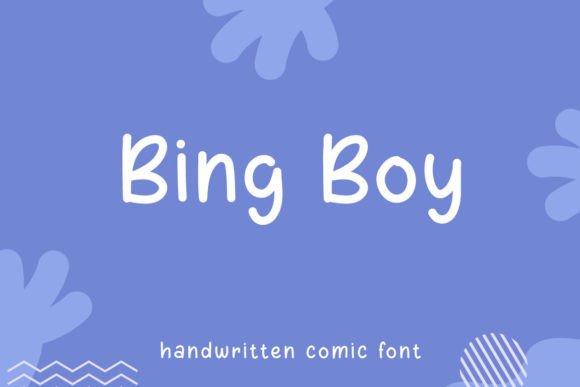
Let me tell you about a Monday morning that changed my branding approach. I was staring at my computer, tasked with refreshing a client’s café menu. The old menu was functional, but it felt impersonal. The owner wanted to evoke warmth, a sense of handmade care and friendly service. The existing clean sans serif font wasn’t cutting it; it felt corporate. That’s when I first opened Bing Boy. This small handwritten font immediately struck me. It wasn’t overly formal or childlike; it had a balanced, confident personality. Its characters felt like a real person wrote them with purpose, not haste. Within minutes, “Freshly Brewed Coffee” in Bing Boy looked inviting, and “Homemade Pastries” gained a tangible, artisan quality. That single typography swap transformed the entire document from a simple list to a welcoming brand extension.
How Bing Boy Elevates Small Business Logo Design
For small businesses, the logo is often the first and most repeated impression. A generic logo font can make you look like everyone else. Bing Boy, as a display font, offers a distinct alternative. Its handwritten style carries an inherent authenticity. When I used Bing Boy for a local candle maker’s logo, the result was a name that felt crafted, personal, and trustworthy. The font’s modest scale means it doesn’t overwhelm; it invites closer inspection. Whether it’s for a boutique’s shop sign, a beauty brand’s minimalist emblem, or an online shop’s header, Bing Boy provides a foundational style that’s memorable without being loud. It’s a typeface that says your business has a human touch.
Using Bing Boy Font for Product Labels and Packaging
This is where Bing Boy truly shines. Product packaging is a tactile experience, and your typography is a direct conversation with the customer. I recently applied Bing Boy to a line of handmade skincare product labels. The challenge was to convey purity and gentle care on a small label surface. Bing Boy’s clear, legible strokes were perfect. For the product title, like “Calming Face Serum,” the font added a soft, personal note. On a bakery’s cookie box or a specialty tea tin, Bing Boy transforms generic descriptions into charming, customer-friendly messages. It works exceptionally well for short phrases and display text, making the product name or key feature the hero of the design.
Bing Boy for Social Media Content and Digital Ads
In the fast-scrolling world of Instagram or Facebook, your graphics need to capture attention and feel cohesive. Bing Boy is a versatile asset here. I’ve integrated it into templates for a café’s weekly specials posts and an online plant shop’s promotional banners. The font adds a consistent, branded handwriting across all visuals. For a “Sale Now Live” graphic or a “New Arrival” announcement, Bing Boy’s style makes the message feel direct and genuine, like a personal note from the business owner. This consistency across platforms—from your online shop banner to your Pinterest pins—builds a recognizable visual identity that customers begin to trust and look for.
Crafting Consistent Brand Materials with Bing Boy
Branding isn’t just about one great logo; it’s about a harmonious system. Bing Boy acts as a brilliant decorative thread throughout that system. Think about your physical touchpoints: thank-you cards inserted with orders, flyers for a local event, or book titles for your published guides. Using Bing Boy on these items creates a seamless brand experience. For example, a boutique’s garment tag with the care instructions written in Bing Boy feels considerate. A real-life application I loved was for a coaching brand’s workshop posters. The main title in Bing Boy drew people in with a friendly, approachable energy, perfectly setting the tone for the event. This font helps tie together disparate materials into a single, polished narrative.
A key consideration for any business font is readability across mediums. Bing Boy maintains clarity even at smaller sizes on mobile screens or printed stickers, thanks to its well-defined letterforms. For longer text blocks, like descriptions on a menu or a product’s story paragraph, I recommend pairing Bing Boy with a clean, neutral sans serif or a simple serif font. This pairing gives you the best of both worlds: Bing Boy provides personality and accent for headlines and key phrases, while the supporting font ensures comfortable reading for detailed information. This is a fundamental principle of modern typography that makes your materials both attractive and functional.
Essential Checks Before Using Bing Boy Commercially
As a creative consultant, I always advise clients to look beyond the aesthetic. Before committing a font like Bing Boy to your permanent branding, verify its technical suitability. Ensure it includes the file formats you need for both print (like packaging design) and digital (like web design and social media graphics). Check for any special alternates or ligatures that could add unique flair to your logo. Crucially, confirm the commercial font licensing. If you’re using Bing Boy on products you sell, packaging, merchandise, or even client templates, you must have the correct license to do so legally and ethically. This protects your business and respects the designer’s work.
Ultimately, choosing a font is about choosing a voice for your business. Bing Boy offers a voice of warm, confident authenticity. It’s a display font that doesn’t shout; it converses. From that café menu to a candle label, from your Instagram story to your shop’s logo, Bing Boy helps build a brand that feels polished, consistent, and, most importantly, genuinely memorable. It turns standard business communications into pieces of your brand’s unique story, inviting customers not just to buy, but to connect.